

Key Takeaways
- Gentle, regular grooming can lower anxiety and reduce fearful reactions in dogs.
- Maintaining a consistent grooming routine encourages trust and strengthens the dog-owner relationship.
- Proper grooming addresses physical discomfort before it leads to negative behavioral patterns.
- A positive grooming atmosphere sets the stage for lifelong improvements in positive behavior.
The importance of stress-free grooming for better dog behavior lies in how animals associate handling experiences with safety and comfort. Grooming is not only about appearance but also about building trust, reducing anxiety, and supporting overall well-being. When dogs are exposed to calm routines, they are more likely to remain cooperative during future care activities and daily interactions.
Without stress-free experiences, dogs may develop fear responses that make routine care more difficult for owners and caregivers. Consistent positive handling can reduce these reactions and encourage more stable behavior in different environments.
In some cases, support from a dog groomer can help identify signs of anxiety and apply gentler techniques that keep animals comfortable. Over time, these approaches contribute to healthier emotional responses and improved cooperation during grooming and general handling situations.
Reducing Anxiety Through Gentle Grooming
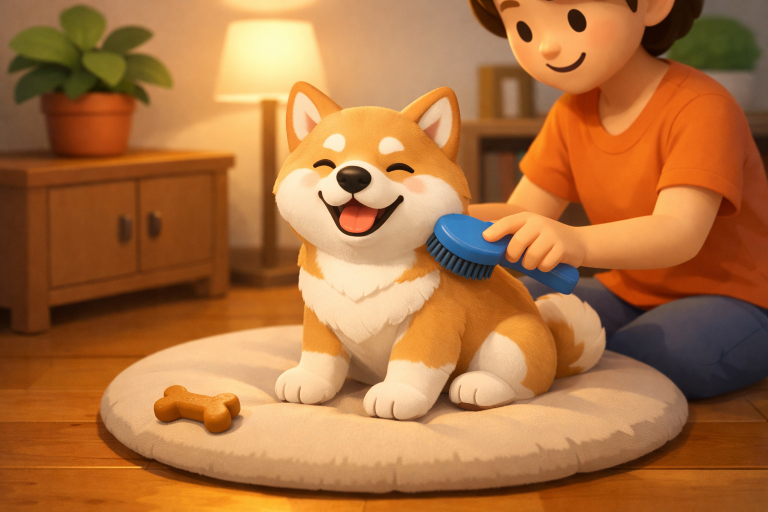
Dogs, like people, benefit from a predictable schedule and gentle handling. Starting grooming early in a dog’s life or reintroducing it slowly for adult dogs helps desensitize them to touch, especially in sensitive areas like the ears, paws, and tail. Take your time, use a soft brush, and reward with treats and praise to gradually make grooming a stress-free experience.
For dogs that seem nervous when approached with grooming tools, desensitization can involve introducing brushes or combs at a distance and rewarding calm behavior before making contact. This systematic approach fosters a sense of control in your dog, allowing them to become gradually more comfortable with each tool and session.
Eventually, the sights, sounds, and even scents associated with grooming become positive cues for relaxation rather than distress. As your dog becomes more comfortable with their grooming routine, you’ll often notice improvements in their behavior during other activities that require handling or restraint, such as vet visits or nail trims.
Enhancing Social Behavior and Trust
Grooming goes beyond basic hygiene; it encourages positive social interactions by helping your dog link contact with feelings of safety and comfort. Regular, gentle grooming sessions build trust, making your dog more at ease around strangers and less reactive in stimulating settings.
This trust is especially important for rescue dogs or those who have experienced past mistreatment, as it supports their recovery and helps them form bonds with people. In homes with multiple pets, cooperative grooming helps reduce jealousy and stress, fostering patience and positive social behaviors beyond the grooming session.
Preventing Discomfort-Related Behavioral Issues
Regular grooming provides numerous benefits, primarily by preventing discomfort that can lead to negative behaviors in dogs. Problems such as matted fur, long nails, and skin irritations can cause pain, making dogs irritable or reluctant to be handled. By addressing these issues early, you can reduce the risk of aggressive or avoidant behaviors. Additionally, grooming allows for early detection of physical problems, such as parasites or infections, that might otherwise go unnoticed. Regularly checking your dog’s coat and skin can help identify health issues early, ultimately enhancing their comfort and overall quality of life.
Creating a Positive Grooming Environment
The atmosphere in which you groom your dog significantly impacts their experience. Create a calm, quiet space free of distractions. Offer praise, treats, and breaks to keep the session positive. With time, your dog may even come to enjoy grooming as a bonding activity.
Consider the lighting, temperature, and your mood, as dogs are sensitive to these cues. Starting the grooming process when you are calm helps set a positive tone. You can also establish a routine, such as brushing after walks, to align grooming with your dog’s relaxed periods. Tailoring this routine to your dog’s preferences will ensure a positive experience for both of you.
Incorporating Stress-Reducing Techniques
Beyond a peaceful environment, supplementary calming methods can make a marked difference. Pet-safe aromatherapy oils like lavender or chamomile, when used properly, can help soothe anxious pups.
Additionally, some dogs benefit from calming dog music or noise machines to block out unpredictable household sounds. Making small changes to your approach, such as gentle background noise or a familiar blanket, can turn an anxious pet into a calm participant during grooming.
Gradually introducing new items into the grooming process, such as special grooming mitts or slow-feeders filled with treats, can distract and reward your dog. Counterconditioning, in which positive associations are built with each part of the grooming process, decreases the likelihood of negative reactions over time. Remember, every dog is unique; experimenting with different stress-relief techniques can help you discover what works best for your companion.
Professional Grooming Considerations
Not every pet owner has the time or confidence to groom their pets at home, and that is perfectly okay. It is important to choose a professional groomer who can provide a stress-free experience, especially for dogs with anxiety or special needs. Be sure to discuss your dog’s personality and sensitivities with the groomer so they can tailor their approach to your pet’s needs.
Regular grooming appointments help make the process familiar, which can reduce stress for your dog. Additionally, professional groomers are skilled at spotting behavioral or health issues, making them valuable partners in your dog’s overall well-being. If grooming tends to be challenging, consider shorter visits, having you present during grooming, or mobile grooming services.
Conclusion
Focusing on a gentle and positive grooming routine enhances your dog’s well-being. It decreases stress, strengthens your bond, and lessens behavioral problems. Seeing grooming as a chance to connect makes your dog happier and more obedient.
Giving your time and attention shows your care, resulting in a confident, trusting dog. The path to a well-behaved dog begins with brushing, gentle words, and spending quality time together.