

Cloudy glasses, stubborn shower-door film, and crusty faucets can be frustrating, but they often point to one common cause: hard water. Before changing your cleaning routine or comparing water softeners, it helps to understand what hardness is, how to test for it, and which solutions match the problem.
Hard water contains elevated levels of dissolved minerals, mainly calcium and magnesium. It commonly develops when groundwater travels through mineral-rich soil and rock. Although hard water is usually a household nuisance rather than a health concern, its effects can add up in plumbing, appliances, laundry, and bathrooms.
What Is Hard Water?
Water hardness describes the concentration of certain minerals in water. The dissolved calcium and magnesium in water can interfere with soap, leave mineral residue when the water evaporates, and form scale when the water is heated. Homes supplied by either a municipal system or a private well can have hard water, though the level varies by location and source.
Common Signs Around the Home
One clue does not prove that a water supply is hard, since cleaning products, aging fixtures, and other water-quality issues can create similar symptoms. Still, several recurring signs are worth investigating.
- White spots on glassware, faucets, sinks, or dishes.
- Cloudy film on shower doors and tile.
- Soap or shampoo that seems difficult to rinse away.
- Dry-feeling skin, stiff hair, or rough laundry.
- Lower flow from a showerhead or faucet aerator.
- Chalky buildup in kettles, coffee makers, and water heaters.
How Is Water Hardness Measured?
Hardness results are often reported in milligrams per liter (mg/L) or grains per gallon (gpg). As a general guide, 0 to 60 mg/L is soft, 61 to 120 mg/L is moderately hard, 121 to 180 mg/L is hard, and anything above 180 mg/L is very hard. One grain per gallon is approximately 17.1 mg/L. The number matters when assessing treatment capacity, but daily household water use matters too.
How to Test Household Water?
A test provides a better answer than judging by spots on a glass. For public water, begin with the latest local water-quality report. A home hardness kit can provide a quick estimate, while a certified laboratory is more appropriate when accurate results are needed to guide a major purchase or installation.
For broader concerns about taste, odor, sediment, or specific contaminants, water filtration may be a separate consideration from hardness treatment.
Private well owners should test for more than hardness. Depending on local conditions, useful testing may include bacteria, iron, manganese, nitrate, and pH. Test sooner after flooding, plumbing changes, or a noticeable shift in color, odor, taste, or appearance. A hardness test alone does not confirm that drinking water is free of other concerns.
How Hard Water Affects Plumbing and Appliances
Scale forms when mineral-rich water evaporates or is heated. In a water heater, deposits can build up near heating elements. In showerheads and aerators, tiny openings can be restricted, reducing flow.
Dishwashers, washing machines, coffee makers, and kettles may require more frequent cleaning, while soap scum can make bathroom surfaces harder to maintain. Over time, deposits may narrow the inside of pipes and reduce water pressure.
Simple Cleaning Tips That Help
Small habits can reduce visible residue while the cause is being confirmed. Wipe faucets and shower doors dry after use, and follow manufacturer instructions when descaling appliances.
Removable aerators can often be soaked in white vinegar if the fixture material permits it. A dishwasher rinse aid may reduce spotting, and using the recommended amount of detergent can prevent excess film. Never mix vinegar with bleach or other cleaning products.
Treatment Options to Consider
The right approach depends on test results, water use, household preferences, and local plumbing requirements. Common options include:
- Point-of-use filters: Designed for a specific faucet or drinking-water location. Many do not remove hard minerals.
- Scale-control devices: May help limit deposits in some conditions, but they do not necessarily remove calcium and magnesium.
- Ion-exchange softeners: Exchange hardness minerals for sodium or potassium ions and are commonly used for whole-home treatment.
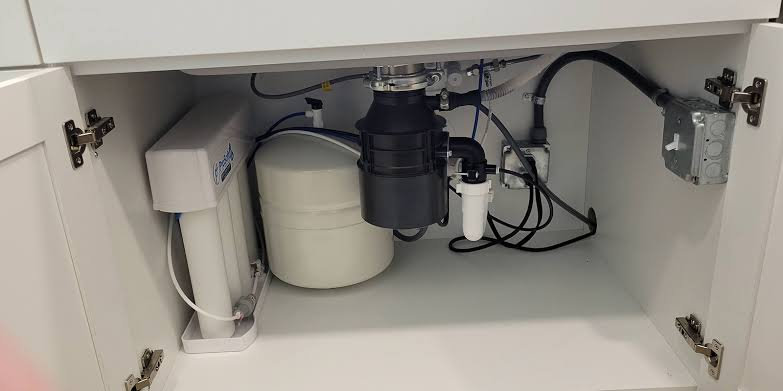
- Reverse osmosis systems: Usually intended for selected drinking-water uses rather than whole-house scale control.
- Boiling: Can reduce some temporary hardness, but it is not a practical solution for an entire home.
How to Choose and Maintain a Water Softener?
Start with a verified hardness reading and a realistic estimate of daily water use. Compare system capacity, regeneration settings, salt use, and water use rather than focusing solely on initial cost.
Demand-initiated regeneration can help a system regenerate based on actual use rather than a fixed calendar schedule. The EPA notes that cation exchange water softeners use water and salt during regeneration, so efficiency and proper settings are important.
Once installed, check the salt level regularly, watch for salt bridges in the brine tank, inspect connections for leaks, and clean the tank according to the manufacturer’s instructions. Revisit settings if household size or water use changes. Local requirements may also affect discharge, installation, and the use of softened water.
Common Questions About Hard Water
Is hard water unsafe to drink?
Hardness itself is generally not considered a health risk. However, it does not rule out other contaminants, especially in private wells, so separate testing may still be appropriate.
Does every home need a water softener?
No. Treatment makes the most sense when testing confirms hardness and the household experiences clear problems such as scale, spotting, soap scum, or appliance buildup.
Can hard water affect skin and hair?
Mineral residue and soap film can leave skin or hair feeling dry, coated, or difficult to rinse. Those symptoms can have other causes as well, so hardness should not be treated as the only explanation.
Final Thoughts
Hard water is easy to mistake for other household water issues. A reliable test is the most useful first step. Once the hardness level and the home’s needs are clear, it becomes easier to choose practical cleaning habits, targeted treatment, or a properly sized whole-home solution.