

Key Takeaways
- Community spaces in Tucson foster social cohesion and cultural preservation.
- Innovative projects like cohousing and cultural centers enhance neighborhood vitality.
- Investments in community infrastructure contribute to sustainable urban development.
The Vital Role of Community Spaces in Tucson’s Diverse Neighborhoods
Tucson’s neighborhoods are more than collections of homes. They thrive thanks to vibrant community spaces that act as lifelines for social connection, cultural exchange, and collective growth.
Throughout the city, intentional living arrangements, revived cultural centers, and creative projects foster a unique sense of belonging. Residents and newcomers alike recognize that these spaces make Tucson not just a place to live but a community worth investing in, whether you’re searching for vibrant neighborhoods or looking to plant roots.
For those interested in learning more about living in these dynamic communities, exploring Tucson homes for sale provides a deeper understanding of available properties and distinct neighborhoods throughout the metro area. Gray | St. Onge, an authority in Tucson real estate, offers an insider’s perspective on the best local lifestyle options, historic districts, and new developments.
With a specialized focus on the Tucson and Oro Valley service areas, the team’s website is a trusted guide for anyone seeking to make Tucson their home, sharing detailed property listings, neighborhood spotlights, and expert advice for both buyers and sellers.
Cohousing Communities: Building Lasting Connections
Sonora and Milagro Cohousing
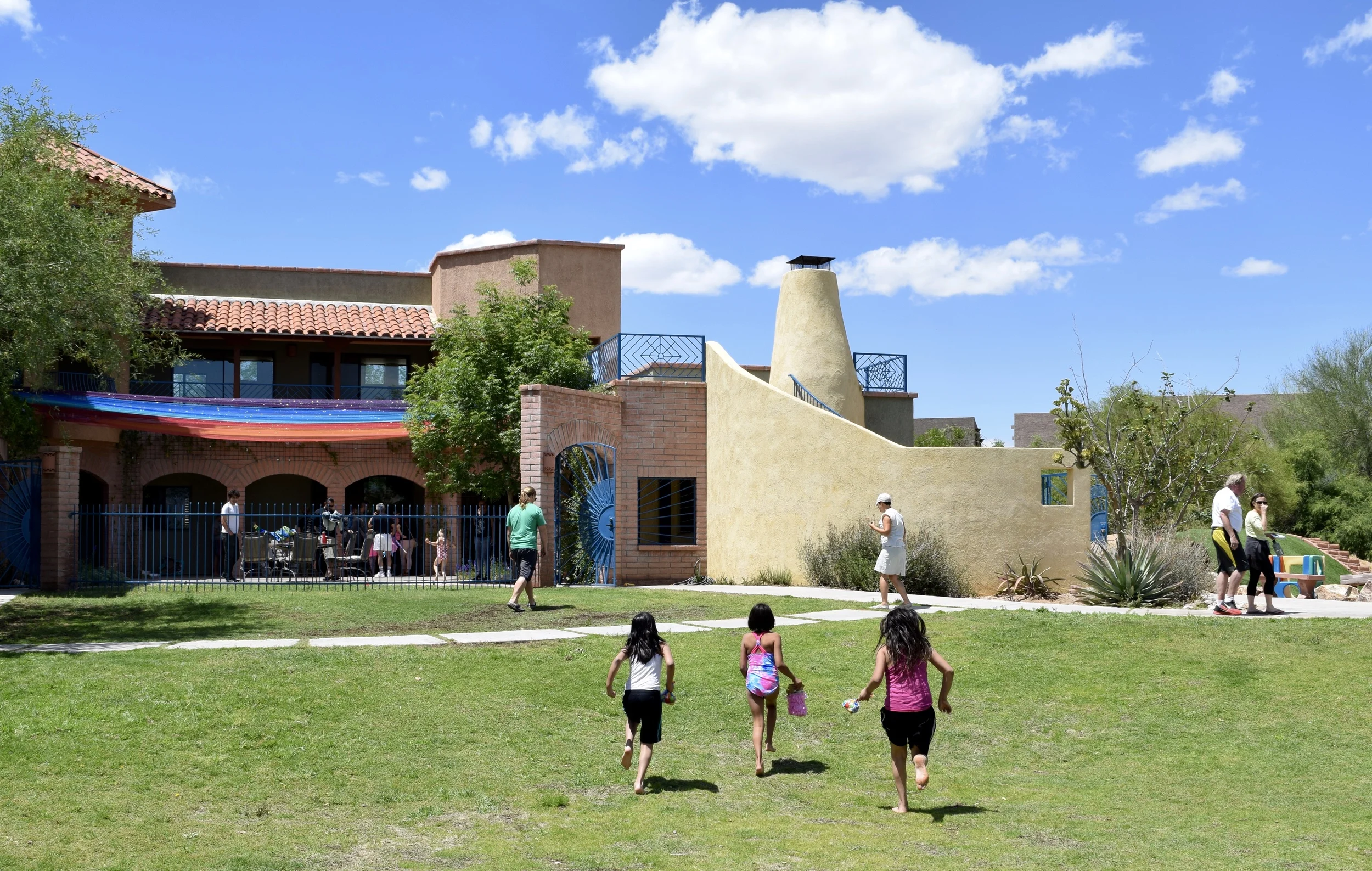
Among Tucson’s most remarkable living models, cohousing communities such as Sonora Cohousing and Milagro Cohousing offer residents more than just proximity. These neighborhoods feature private residences alongside shared facilities, where daily interactions and collaborative decision-making are the norm.
Regular shared meals and organized community events foster collaboration, mutual support, and a deep-rooted feeling of extended family. The intentional design not only prioritizes socialization but also empowers residents to influence their community’s growth and priorities.
Transforming History: The Louis Market Center for Cultural Organizing
Tucson’s rich multicultural legacy is evident in projects like the transformation of the historic Louis Market building. Repurposed as the Louis Market Center for Cultural Organizing, the space is now a vibrant platform for cultural exchange and grassroots community organizing.
This initiative, spearheaded by the Southwest Folklife Alliance in collaboration with Regeneración, demonstrates Tucson’s commitment to preserving its past while adapting to the evolving needs of present-day residents. The Center offers educational workshops, artistic performances, and resources to build community wealth and neighborhood stability.
Community Gardens: Food, Culture, and Sustainability
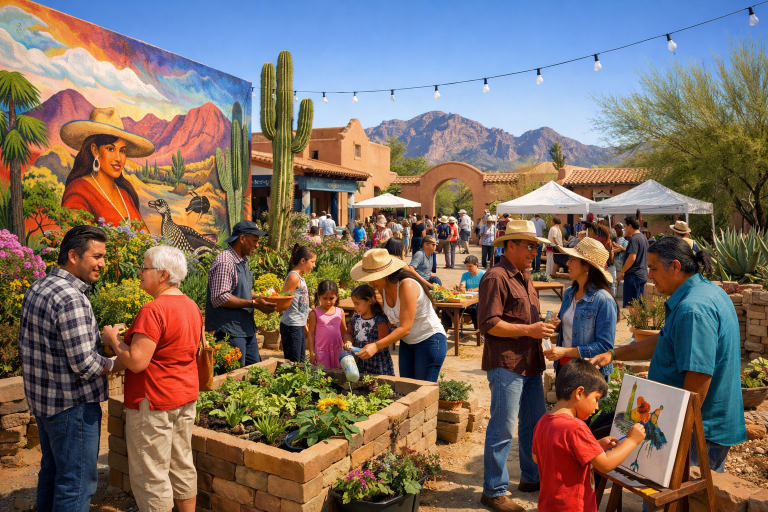
The power of community gardens is on full display at Midtown Farm in the Barrio Centro neighborhood. Once an abandoned elementary school, the location has become a flourishing community hub thanks to the Flowers & Bullets Collective.
The farm addresses food insecurity by providing fresh produce to residents and serving as a platform for cultural engagement and educational activities. This transformation unites neighbors through gardening, cooking workshops, and cultural celebrations, strengthening social ties and promoting sustainable urban agriculture practices.
Community-driven agricultural projects like Midtown Farm play a pivotal role in reducing urban food deserts, as outlined by The New York Times’ coverage of urban farming, by expanding local access to food and providing valuable green spaces for education and recreation.
Strengthening Infrastructure for Health and Connection
Tucson has recently made significant strides by investing $3.5 million in new food and health hubs targeting historically underserved neighborhoods. These hubs are designed to offer reliable access to healthy food and essential health services, bridging long-standing disparities and fostering local resilience. The upgraded infrastructure also encourages partnerships with local organizations, making meaningful change accessible at the neighborhood level and helping residents create more robust safety nets.
The Power of Public Art: Murals and Creative Expression
Artistic expression thrives in Tucson through the proliferation of community murals and public art installations. In neighborhoods like Arroyo Chico, residents and artists have transformed once-plain walls into vibrant canvases that tell community stories and honor shared values.
These public artworks not only beautify the streets but also act as outlets for cultural identity and local pride, making each mural a point of community connection. National trends echo Tucson’s mural movement.
Community Centers: Supporting and Anchoring Neighborhoods
For over half a century, facilities like the El Pueblo Neighborhood Center have provided essential services and support to Tucson’s Southside residents. As a neighborhood anchor, this center brings together people of all ages through educational workshops, cultural celebrations, fitness classes, and critical social services.
The breadth of available programs encourages ongoing engagement, fosters cross-generational friendships, and ensures that no resident feels disconnected or unsupported.
Conclusion
Community spaces across Tucson are the heartbeat of thriving neighborhoods. From intentional cohousing communities and adaptive cultural centers to community gardens and iconic murals, each initiative adds depth and vibrancy to the city.
These spaces do more than offer physical venues; they cultivate relationships, preserve cultural heritage, and drive sustainable urban growth. Through collective action and thoughtful design, Tucson’s community spaces continue to enrich residents’ lives, laying the foundation for a more unified and vibrant future.