

Introduction
Metal roofs have earned their reputation as one of the most durable and long-lasting roofing solutions, often lasting 40 to 80 years. This impressive longevity, however, is only possible when paired with proper roofing components and meticulous maintenance, particularly the gutter system.
Homeowners in regions like New Holland, PA, realize that high-quality New Holland gutters are essential for protecting their home investments. Gutters are more than just a finishing touch—they are fundamental to roof health and performance.
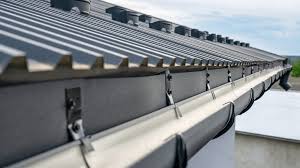
Without an effective gutter system, metal roofs are vulnerable to numerous issues, including standing water, rust, and roof and surrounding property erosion. High-quality gutters mitigate these problems by directing water away from critical areas, safeguarding the roof’s integrity for decades.
The Role of Gutters in Roof Protection
At their core, gutters are engineered to channel rainwater efficiently away from a building’s roof and foundation. Their absence or poor performance can allow rainwater to accumulate and linger on roofing surfaces, increasing the risk of corrosion, leaks, and even foundation issues.
For metal roofing in particular, standing water is a primary threat—one that can accelerate rust formation and compromise metal panels and fasteners. Robust gutters intercept this risk, ensuring that runoff flows reliably into downspouts and away from vulnerable areas of your property.
In addition to water protection, metal roofs offer a versatile solution compatible with a wide range of gutter materials and styles. If you’d like to learn more about the compatibility and advantages of metal roofing, understanding these dynamics will help you make the best choice for your home.
Benefits of High-Quality Gutters
- Enhanced Water Management: Top-tier gutters masterfully divert water away, dramatically reducing the likelihood of pooling, water infiltration, and subsequent roof damage. This keeps your attic and structure dry year-round.
- Reduced Maintenance: Gutters constructed from premium materials and correctly installed hold up far better under the stress of seasonal debris and severe weather. These systems demand fewer repairs and less frequent cleaning, saving time and expenses.
- Improved Aesthetics: Style-conscious homeowners appreciate the fact that well-chosen gutters can complement exterior color schemes and architectural styles, adding curb appeal while performing a critical function.
Materials Matter: Choosing the Right Gutters
Material selection is critical for performance and longevity. Each material offers distinct advantages and potential drawbacks:
- Aluminum: Praised for its lightweight, corrosion-resistant properties, aluminum is the most popular gutter choice for homes with metal roofing. It’s also cost-effective and available in various finishes.
- Galvanized Steel: Valued for its strength and rigidity, galvanized steel gutters are engineered to withstand heavy snow and impact. However, they need periodic inspections and maintenance to control rust development, especially around joints and fasteners. According to This Old House, choosing the proper gutters for a metal roof can further enhance durability and performance, efficiently channeling water away from your home while minimizing long-term maintenance.
- Copper: Copper gutters are the hallmark of luxury and performance, naturally resisting corrosion and developing an attractive patina over time. While their price is higher, copper gutters can last fifty years or more—sometimes outliving the roof itself.
When deciding between gutter materials, consider climate, budget, and expected maintenance levels to make the ideal investment for your property’s needs.
Installation Best Practices
Ensuring maximum gutter performance begins with proper installation. The following best practices help protect metal roofs and prevent long-term issues:
- Correct Slope: Gutters must be slightly pitched toward downspouts (at least 1/16 inch per foot) so water can flow unimpeded, minimizing pooling and overflow risks.
- Secure Attachment: Proper reinforcement is vital. Hangers or brackets should be spaced every 24 inches or less, especially with heavy gutter material, to avoid sagging during heavy rainfall or snow loads.
- Appropriate Size: Local rainfall rates and roof size dictate optimal gutter width and depth. Ensuring that your gutters can handle even severe storms protects both the roof and foundation from serious water damage.
Attention to installation detail is key—poorly mounted or undersized gutters put your entire roofing investment at risk.
Maintenance Tips for Longevity
Routine upkeep remains necessary, even for the most meticulously installed gutters. Preventative maintenance ensures gutters can handle whatever the elements throw at them, year after year. Here’s what homeowners should prioritize:
- Routine Cleaning: Remove leaves, twigs, and buildup at least twice a year—preferably more often if trees surround your property. Blockages can cause overflow, damaging fascia boards and soffits.
- Inspection for Damage: At each cleaning, look for loose fasteners, joint separations, rust spots, or any section that has begun to sag or pull away from the structure. Promptly repairing even minor issues can prevent more serious, costly repairs later.
- Seal Leaks: Any small hole or seepage at the seams should be caulked or patched immediately with roofing-specific sealants for maximum protection.
Conclusion
Protecting the life of your metal roof starts with the right gutter system. Investing in high-quality gutters and maintaining them through regular cleaning and inspections enables superior water management, guards your roof’s structural integrity, and enhances your property’s curb appeal.
For homeowners in New Holland, PA, and beyond, attention to gutters is a straightforward yet vital way to safeguard their metal roofing investment for decades to come.